How to Make Your Home Safer for an Indoor Cat
Your home might feel like the safest place in the world for your indoor cat.
After all, they’re protected from traffic, harsh weather, and many of the dangers that come with roaming outdoors.
But if you’ve ever watched your cat investigate an open cupboard, climb somewhere they probably shouldn’t, or become completely fascinated by a dangling cord, you already know one thing.
Cats are curious.
And sometimes, that curiosity leads them straight toward things we wouldn’t think twice about.
The good news is that making your home safer doesn’t mean removing everything your cat might find interesting.
It’s about recognizing a few common household hazards and making thoughtful changes that help prevent accidents.
From the kitchen to the living room, let’s walk through some simple ways to create a safer space for your indoor cat.
Because a home can be both beautiful and cat-friendly without feeling like it’s wrapped in bubble wrap.
Start With the Kitchen
The kitchen is full of interesting smells, tempting surfaces, and little things that can catch a cat’s attention.
Unfortunately, it’s also one of the places where everyday household items can create unexpected risks.
Start by keeping cleaning products, medications, and other potentially harmful substances securely stored in cupboards your cat can’t open.
Be mindful of hot stovetops, sharp utensils, and food left unattended on counters.
Some foods that are perfectly ordinary for people, including onions, garlic, chocolate, and certain products containing alcohol, can be harmful to cats.
Don’t assume something is safe for your cat just because it’s safe for you.
It’s also worth checking that rubbish bins have secure lids, especially if your cat enjoys investigating food scraps or packaging.
Before starting the dishwasher, oven, or another appliance, make sure your cat hasn’t climbed somewhere they shouldn’t be.
A few simple kitchen habits can help prevent curious paws from getting into trouble.
And if your cat insists on supervising every meal you prepare?
A safe resting spot away from the cooking area might make the perfect observation station.
Check Your Living Room for Hidden Hazards
Your living room is probably one of your cat’s favourite places to spend time.
It’s where the comfortable furniture lives, where everyone gathers, and where your cat can conveniently position themselves in the middle of whatever you’re doing.
But take a moment to look around from your cat’s perspective.
Loose electrical cords, dangling blind strings, unstable furniture, and small objects left within reach can all create potential hazards.
Secure electrical cables where possible and keep blind cords safely out of reach to reduce the risk of chewing or entanglement.
If you have tall bookshelves or other furniture that could tip, make sure they’re properly anchored.
Be careful with reclining chairs and sofa beds, too. Always check where your cat is before moving or closing the mechanisms.
Small decorative items, hair ties, and pieces of string should be stored safely rather than left somewhere your cat might swallow them.
The goal isn’t to make your living room completely empty. It’s to remove unnecessary risks while keeping the space comfortable.
A safe home should still feel like a home, for both you and your cat.
Make Your Bathroom Safer for Curious Cats
Bathrooms might not seem particularly interesting to us, but cats have a way of finding entertainment in the most unexpected places.
A dripping tap, an open cupboard, or a roll of toilet paper can quickly become the highlight of their afternoon.
Unfortunately, bathrooms also contain products that should be kept well away from curious paws.
Store medications, vitamins, cleaning products, and personal care items in secure cupboards or drawers.
Never leave tablets or capsules on the counter, even for a moment. Some human medications can be extremely dangerous to cats.
Keep toilet lids closed, particularly when using toilet bowl cleaners or other chemical treatments.
Be mindful of hair ties, dental floss, cotton swabs, and other small items that a cat might chew or swallow.
Dental floss and similar string-like objects are especially concerning because they can cause serious internal injuries if swallowed.
If you suspect your cat has swallowed string or floss, contact your veterinarian promptly. Never pull a piece of string that is hanging from your cat’s mouth or rear end.
A safer bathroom often comes down to keeping products properly stored and checking what has been left within reach.
And if your cat insists on joining you every time you enter the bathroom?
Well, apparently privacy wasn’t included in the cat-parent package.
Take Extra Care in the Laundry Room
If there’s one thing many cats love, it’s a pile of warm, freshly washed laundry.
Unfortunately, the laundry room can contain a few hazards that are easy to overlook.
Washing machines and dryers are especially important to check before use.
Cats sometimes climb into open appliances to explore or find a quiet place to rest.
Always look inside the washer and dryer before closing the doors or starting a cycle, even if you’re certain your cat isn’t nearby.
Keep appliance doors closed when they’re not in use, and make sure your cat cannot become trapped inside.
Laundry detergent, especially concentrated detergent pods, should be stored securely where pets cannot access them.
These products can cause serious harm if bitten, swallowed, or exposed to the eyes.
Keep dryer sheets, stain removers, and other laundry products out of reach as well.
It’s also worth checking laundry baskets and piles of clothing before moving them, especially if your cat enjoys hiding underneath blankets or towels.
A quick check before starting the laundry is a small habit that can help prevent a serious accident.
And if your cat has already claimed your clean laundry as their personal bed?
You may need to negotiate who gets the warm towels first.
Keep Windows and Balconies Secure
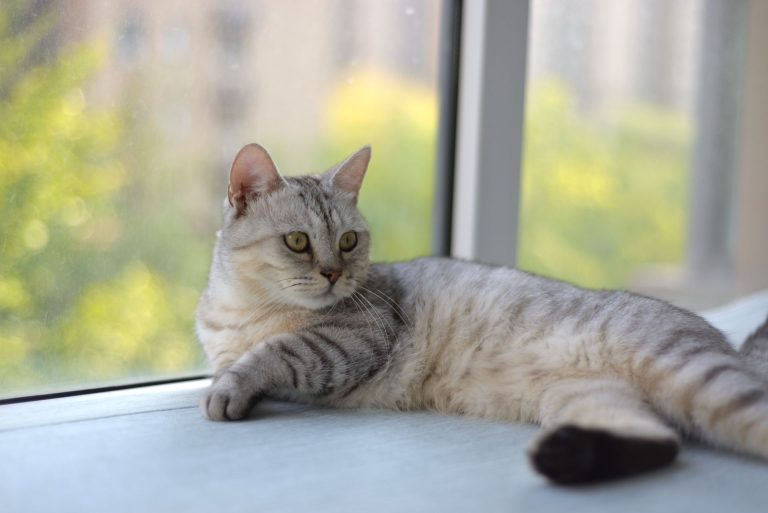
There’s something about a sunny window that seems almost impossible for a cat to resist.
Whether they’re watching birds, following falling leaves, or simply enjoying a warm afternoon, windows can be a wonderful source of entertainment for indoor cats.
But they also deserve a little extra attention when it comes to safety.
Never assume your cat won’t jump or fall from an open window just because they’ve never tried before.
Ordinary insect screens aren’t designed to prevent cats from falling through them, so don’t rely on them as a safety barrier.
Keep windows securely closed or use properly installed, cat-safe window guards or barriers.
If you have a balcony, remember that railings alone aren’t enough to make it safe for an unsupervised cat.
A properly secured, cat-proof enclosure can provide a safer way to enjoy outdoor sights and sounds, but it needs to be designed to prevent climbing, squeezing through gaps, and falling.
Be mindful of window blind cords as well, since dangling loops can create an entanglement hazard.
Your cat can still enjoy a lovely view without having unrestricted access to an open window or balcony.
Sometimes, the safest seat in the house is simply a comfortable perch beside a securely closed window.
Choose Houseplants and Flowers Carefully
Houseplants can make a home feel warm, inviting, and full of life.
Unfortunately, not every plant that’s beautiful to look at is safe to have around cats.
Some common indoor plants and flowers can cause irritation, digestive problems, or more serious health concerns if a cat chews or swallows them.
True lilies and daylilies are especially dangerous to cats. Even small exposures to certain parts of these plants, including pollen or water from a vase, can cause life-threatening kidney injury.
For that reason, it’s safest to keep these lilies out of homes with cats entirely.
Other plants, such as pothos and philodendrons, can also be harmful if chewed.
Before bringing a new plant or bouquet into your home, check its exact name against a reliable pet-toxicity resource, such as the ASPCA’s toxic and non-toxic plant database.
Don’t rely on a plant being labelled pet-friendly without checking what it actually is.
If you suspect your cat has been exposed to a toxic plant, contact your veterinarian or an animal poison-control service promptly. Don’t wait for symptoms to appear.
You don’t have to give up having greenery in your home. You just need to choose plants that are appropriate for a household with cats.
And if your cat believes every new plant is actually a personal salad bar?
Well, that’s one more reason to be extra selective.
Make Your Bedroom a Safe Place to Relax
For many indoor cats, the bedroom is one of the most comforting places in the house.
It’s quiet, familiar, and usually filled with soft blankets and pillows that are practically begging to be slept on.
But even a cozy bedroom can have a few things worth checking.
Start with bedside tables and dressers, especially if you keep medications, jewellery, hair accessories, or other small belongings within reach.
Cats are surprisingly talented at knocking things off furniture, and some small objects can become dangerous if swallowed.
Keep essential oils, diffusers, and scented products away from your cat. Certain essential oils can be toxic, and exposure can happen through breathing in concentrated vapours, skin contact, or grooming residue from their fur.
Be mindful of charging cables and electrical cords, particularly if your cat enjoys chewing on things.
If your bed has storage drawers or a moving frame, check for your cat before opening, closing, or adjusting anything.
It’s also worth making sure heavy mirrors, dressers, and shelving units are securely anchored.
Your bedroom doesn’t need a complete makeover to become safer for your cat.
Often, putting a few belongings away and securing furniture is enough to make a meaningful difference.
And if your cat has already decided your pillow belongs to them?
That might be one household arrangement you’ll never successfully change.
Do a Quick Safety Check From Your Cat’s Perspective
One of the easiest ways to spot potential hazards around your home is to look at things from your cat’s point of view.
And yes, that might mean getting down a little closer to the floor.
Take a slow walk through each room and pay attention to the places your cat likes to explore.
Look underneath furniture, behind appliances, around shelves, and anywhere small objects might have fallen.
Check for loose cords, narrow gaps where your cat could become trapped, and items that might tip over if climbed.
Pay attention to the spaces your cat can reach by jumping, too.
A countertop or high shelf might seem safely out of reach until your cat discovers a creative way to get there.
Think about your cat’s individual habits as well.
Some cats love chewing plastic, while others are determined to investigate every cupboard or squeeze into the smallest possible hiding place.
The most useful safety changes are often the ones that address what your particular cat is curious about.
You don’t need to make every adjustment in one afternoon.
Start with the biggest risks, make a few changes, and revisit your home regularly as your cat’s habits change.
A little awareness can go a long way toward keeping your indoor cat safe, comfortable, and free to enjoy their favourite spaces.
A Safer Home Is a Happier Place to Explore
Creating a safer home for your indoor cat doesn’t have to be overwhelming.
You don’t need to replace all your furniture, give up your favourite decorations, or spend an entire weekend worrying about every possible accident.
Sometimes, the most meaningful changes are the simplest ones.
Keeping medications tucked away, checking appliances before using them, securing windows, and choosing cat-safe plants can all help reduce everyday risks.
And remember, every cat is different.
The things that interest one cat might not even catch another cat’s attention, so getting to know your own cat’s habits is an important part of keeping them safe.
The goal isn’t to create a perfectly hazard-free home. It’s to create a space where your cat can explore, play, and relax with fewer unnecessary risks.
Start with one room, make a few thoughtful changes, and build from there.
Because at the end of the day, a cat-friendly home isn’t just about where your cat lives.
It’s about helping them feel safe, comfortable, and right where they belong.