How to Make a Small Apartment Cat-Friendly
Living in a small apartment doesn’t mean your cat has to live a small life.
Maybe you’re working with one bedroom, a tiny living room, and just enough floor space to squeeze past the coffee table without bumping your knee.
And somewhere in the middle of it all, there’s a cat who has decided the entire place belongs to them.
Sound familiar?
The good news is that cats don’t necessarily need a huge house to feel comfortable and entertained. What matters more is how their space is arranged and whether they have opportunities to climb, scratch, explore, rest, and feel secure.
With a few thoughtful changes, even a small apartment can become a comfortable, interesting place for an indoor cat.
And no, you don’t have to sacrifice every piece of furniture or turn your living room into a giant cat playground.
Let’s look at some practical ways to make the most of the space you already have.
Make Use of Vertical Space
When floor space is limited, it helps to think upward.
Cats often enjoy having elevated places where they can observe their surroundings, relax, or move away from household activity.
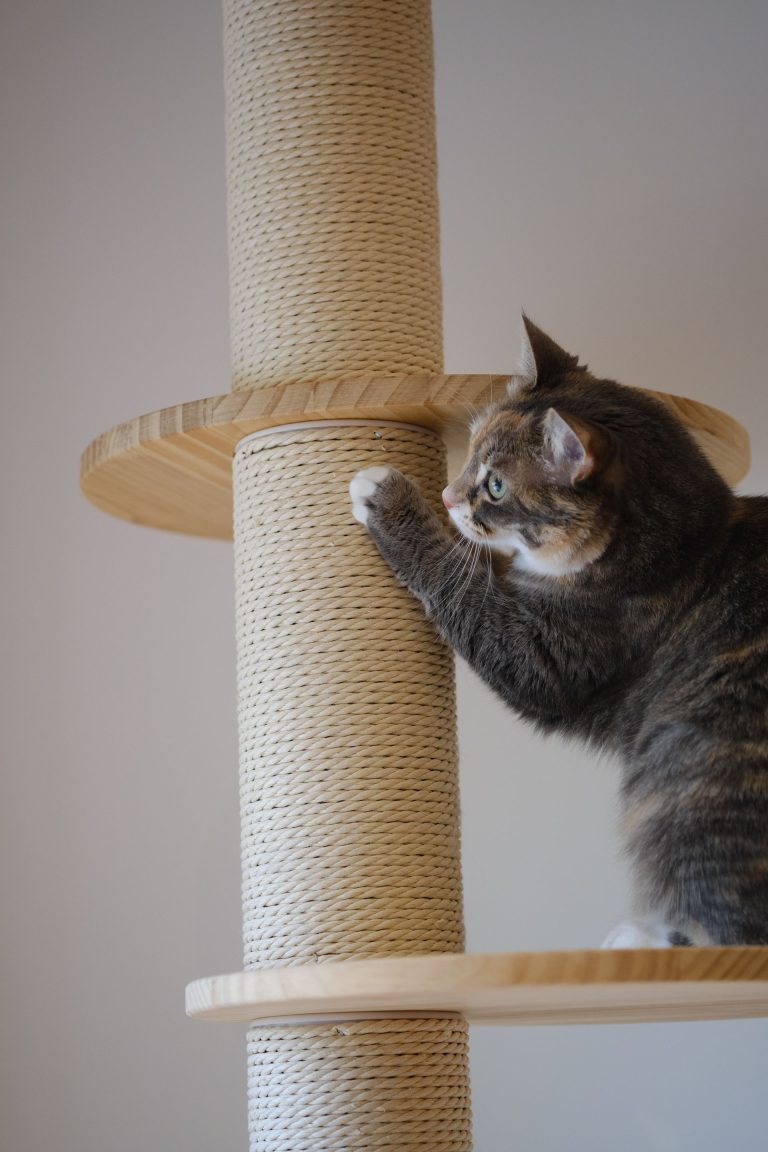
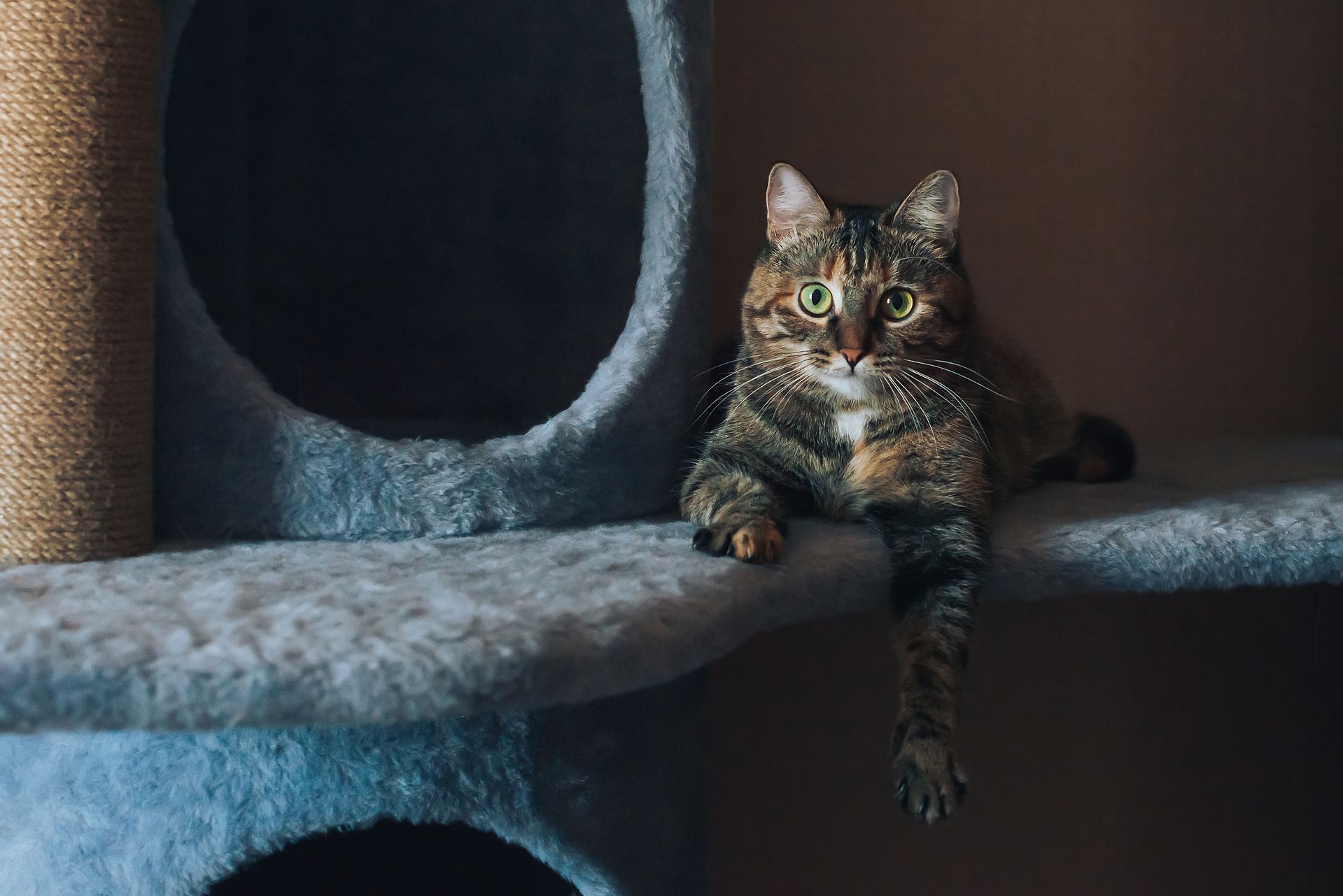
A tall, sturdy cat tree can provide climbing opportunities without taking up as much floor space as several separate pieces of cat furniture.
You can also consider securely mounted cat shelves or a stable piece of furniture that your cat can safely access.
If you’re renting, check your lease before installing anything that requires drilling.
The goal isn’t to fill every wall with cat shelves. It’s to give your cat a few safe ways to explore different heights.
Make sure elevated areas are stable, have secure footing, and are appropriate for your cat’s age and mobility.
Even one well-placed climbing option can make a small room feel more interesting.
Choose Furniture That Serves More Than One Purpose
In a small apartment, every piece of furniture has to earn its place.
That’s why furniture that works for both you and your cat can be especially useful.
A sturdy storage bench might provide a comfortable spot for your cat to rest on top while keeping household items tucked away inside.
A compact cat tree with a built-in scratching post can offer several activities without requiring multiple separate products.
You might even find a side table designed with a cat hideaway underneath.
Before buying anything new, take a look at the furniture you already own.
Could a stable, accessible surface become a safe resting spot? Is there room beside the sofa for a slim scratching post?
You don’t necessarily need more furniture. You need furniture that makes better use of the space.
Just avoid placing heavy objects where your cat could knock them down, and make sure anything they climb on is stable.
Create Separate Areas for Your Cat’s Essentials
When you’re working with limited space, it can be tempting to put all your cat’s belongings together in one convenient corner.
But cats generally benefit from having their important resources spread across different areas.
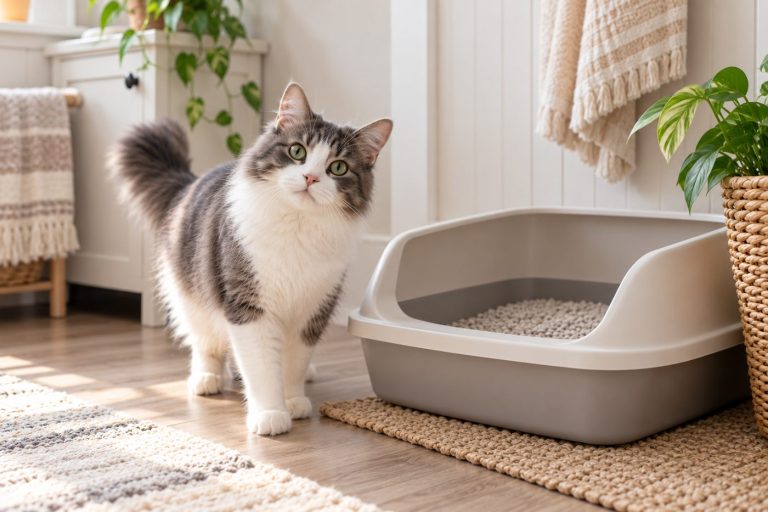
Try to keep food and water away from the litter box, and provide resting spots somewhere your cat can relax without being disturbed.
If possible, place scratching options near areas your cat already spends time in, rather than hiding them somewhere they’ll rarely visit.
You don’t need a separate room for every activity.
A feeding area in the kitchen, a litter box in a quiet accessible location, and a resting spot in the living room can work well in a smaller home.
If you have multiple cats, make sure each one can access important resources without being blocked by another cat.
A thoughtful layout matters more than having a large amount of space.
Make Windows Safe and Interesting
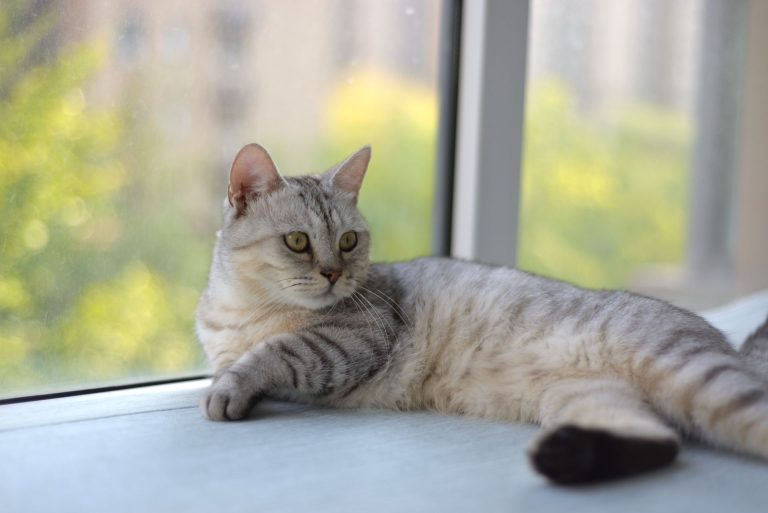
A window can offer an indoor cat a changing view of the world without taking up much additional space.
Birds passing by, leaves moving in the wind, and people walking outside can all provide visual interest.
If your cat enjoys watching the outdoors, consider placing a stable cat perch or suitable piece of furniture near a window.
Make sure the surface is secure and that your cat can get on and off comfortably.
Window safety is especially important in apartments.
Don’t rely on ordinary insect screens to prevent falls. Keep windows securely closed or use appropriate, properly installed cat-safe barriers.
If you have a balcony, never assume it’s safe for your cat simply because it’s enclosed by railings.
A comfortable window view can be a lovely addition to a small home, but keeping your cat secure should always come first.
Keep Scratching Options Accessible Without Cluttering the Room
Scratching is a normal part of being a cat, even when your home doesn’t have room for a giant scratching tower.
Fortunately, scratching options come in plenty of shapes and sizes.
A slim vertical scratching post can fit beside a sofa, while a flat cardboard scratcher might slide neatly into an unused area of the room.
Some cats prefer scratching upright surfaces, while others enjoy stretching out and scratching horizontally.
Pay attention to what your cat naturally gravitates toward.
If they’re constantly scratching the side of your sofa, placing an appropriate scratcher nearby may help redirect that behaviour.
Choose something sturdy enough that it won’t tip or slide around during use.
The best scratching setup is one your cat actually wants to use.
It doesn’t need to be expensive, oversized, or particularly fancy.
Keep Walkways and Escape Routes Clear
In a smaller home, it’s easy for furniture, storage baskets, and pet supplies to crowd the same areas.
But your cat should be able to move comfortably between their favourite places without having to squeeze past obstacles or another pet.
Try to keep access to litter boxes, food, water, and resting areas clear.
If you have more than one cat, pay particular attention to narrow hallways and doorways.
One cat may unintentionally, or deliberately, block another from reaching an important resource.
Providing more than one route through a room, where possible, can help reduce these situations.
Avoid creating climbing arrangements that leave your cat stuck on a high surface with only one difficult way down.
A cat-friendly apartment should feel easy to move through, not like an obstacle course.
Unless, of course, your cat has decided the hallway is the perfect place to perform their nightly zoomies.
Be Mindful of Everyday Apartment Hazards
Small apartments often mean that household items are stored close together, sometimes within easy reach of curious paws.
Take a little time to look around your space from your cat’s perspective.
Secure loose cords, keep medications and cleaning products safely stored, and avoid leaving string, ribbon, or small objects where your cat could swallow them.
Be careful with houseplants, too. Some common indoor plants are toxic to cats, and lilies are especially dangerous.
If you’re unsure whether a plant is safe, check a reliable pet toxicity resource before bringing it into your home.
Make sure your cat cannot access appliances, unsafe storage areas, or open windows without supervision.
You don’t need to make your apartment completely empty to make it safe.
A few thoughtful precautions can help you keep the home comfortable for both of you.
Small Space, Plenty of Possibilities
Making a small apartment cat-friendly isn’t about squeezing as many cat products into your home as possible.
It’s about creating a space that works for the cat you have and the home you live in.
A safe climbing spot, thoughtfully placed essentials, comfortable places to rest, and room to move freely can all make a meaningful difference.
Start with what you already have, notice how your cat uses the space, and make small adjustments as you go.
Your apartment doesn’t need to be enormous, perfectly decorated, or filled with expensive furniture to be a wonderful home for your cat.
Sometimes, a little creativity is all it takes to make a small space feel like their whole world.
Although, if you ask your cat, they’re probably convinced the apartment belongs to them anyway.