How to Tell If Your Indoor Cat Is Drinking Enough Water
You fill your cat’s water bowl every morning, but by the end of the day, it barely looks like they’ve touched it.
Sound familiar?
Unlike dogs, who often make their drinking habits fairly obvious, cats can be a little more mysterious when it comes to water.
Some cats visit their bowls regularly, while others seem much more interested in the bathroom tap than the perfectly good water you’ve provided.
And if your cat eats wet food, you might notice them drinking even less.
So how can you tell whether your indoor cat is getting enough water?
The answer isn’t always as simple as checking how much is left in their bowl.
A cat’s hydration depends on several things, including their diet, environment, activity level, and individual health needs.
Let’s look at what healthy hydration can look like, how to make drinking water more appealing, and which changes are worth discussing with your veterinarian.
Why Water Matters for Indoor Cats
Water plays an important role in keeping your cat’s body functioning properly.
It helps support digestion, circulation, temperature regulation, and the normal function of their kidneys and urinary system.
Even though indoor cats don’t face the same outdoor conditions as roaming cats, they still need a reliable source of fresh water every day.
Their needs can also change depending on the weather, their diet, and their health.
For example, a cat eating mostly dry food will generally need to drink more water directly than a cat whose meals contain a lot of moisture.
That doesn’t necessarily mean one cat is better hydrated than the other.
What matters is their overall water intake, not just how often you see them visiting their bowl.
Paying attention to your cat’s usual habits can help you recognize when something changes.
How Much Water Does a Cat Actually Need?
You might be surprised to learn that there isn’t one exact amount of water every cat should drink from a bowl each day.
A commonly used general estimate for a healthy adult cat’s total daily water needs is around 40 to 60 millilitres per kilogram of body weight.
But here’s the important part.
That estimate includes moisture from food, not just water your cat drinks.
A cat eating wet food may get a significant portion of their daily water intake through meals, while a cat eating dry food typically relies more heavily on drinking.
Age, activity level, environmental temperature, and medical conditions can also affect individual needs.
Rather than trying to make your cat drink a specific amount, focus on providing easy access to fresh water and becoming familiar with their normal eating, drinking, and litter-box habits.
If you’re concerned about whether your cat is getting enough water, your veterinarian can help assess their individual needs.
How Wet Food Affects Your Cat’s Water Intake
Have you ever noticed that some cats seem to barely touch their water bowls, while others visit theirs throughout the day?
One possible explanation is the type of food they’re eating.
Wet cat food typically contains much more moisture than dry kibble, which means cats can get a considerable amount of water directly from their meals.
Because of this, a cat eating mostly wet food may naturally drink less water from a bowl than one eating mostly dry food.
That doesn’t automatically mean they’re dehydrated.
What matters is the total amount of water they’re getting from both food and drinking.
However, even cats eating an exclusively wet-food diet should always have access to fresh, clean drinking water.
It’s also important to remember that not every cat has the same nutritional or medical needs.
If you’re thinking about changing your cat’s diet specifically to increase their water intake, speak with your veterinarian first, especially if your cat has an existing health condition.
A balanced diet and reliable access to water work together to support your cat’s overall well-being.
Simple Ways to Encourage Your Cat to Drink More Water
Sometimes, encouraging your cat to drink more water is less about the water itself and more about how and where it’s offered.
Cats can have surprisingly strong preferences when it comes to their drinking setup.
Start by placing a few water bowls in quiet, easy-to-reach areas around your home.
Some cats prefer their water to be positioned away from food bowls and litter boxes, so experimenting with different locations may help.
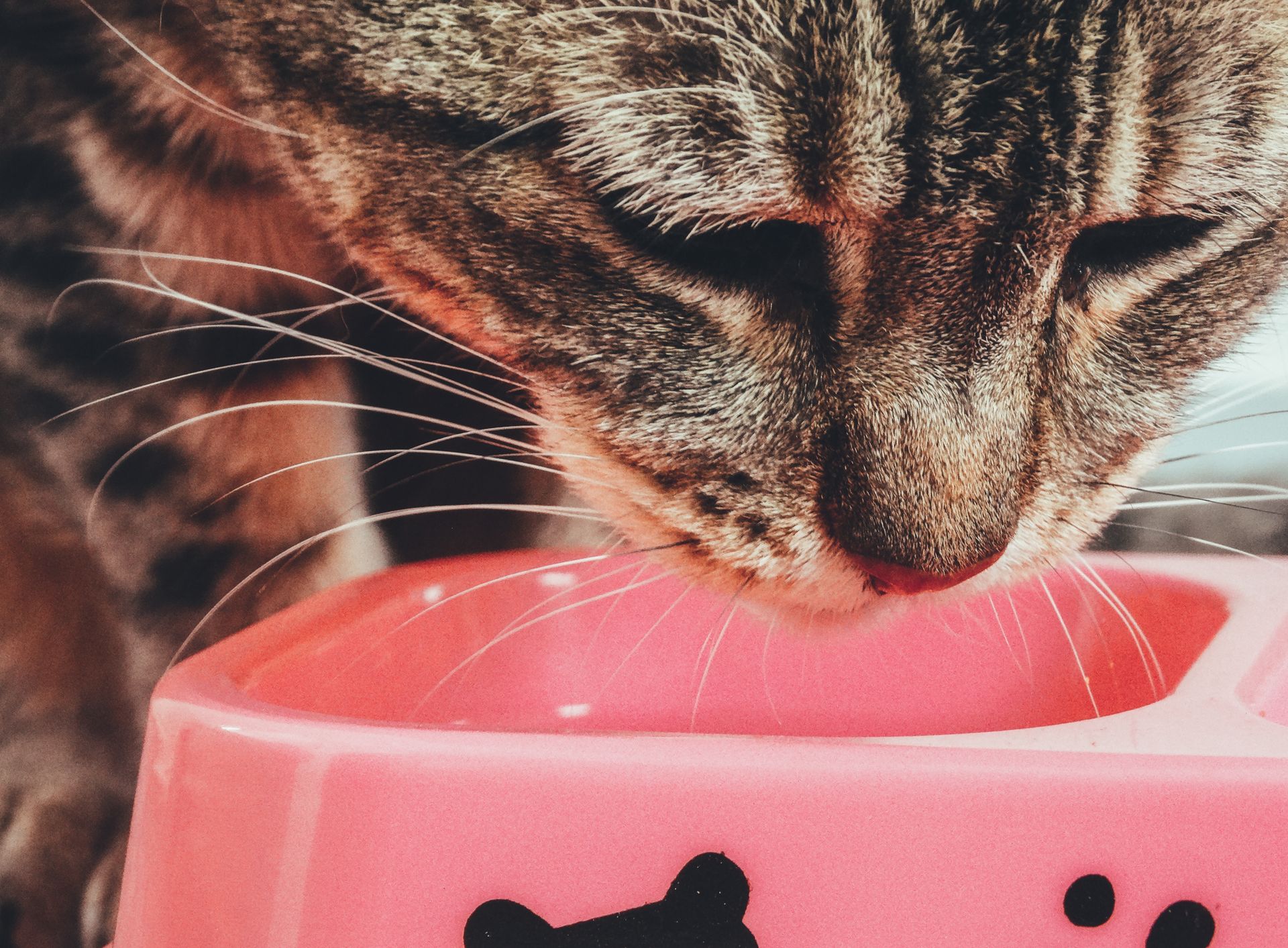
Try offering water in a wide, shallow bowl that allows your cat to drink comfortably without their whiskers constantly brushing against the sides.
Ceramic, stainless steel, and glass bowls are all practical options that are generally easy to keep clean.
Replace the water regularly and wash bowls daily to help prevent a buildup of residue.
You could also try a pet water fountain.
Some cats are more interested in moving water, although others are perfectly happy with a regular bowl.
If you choose a fountain, follow the manufacturer’s cleaning and filter-replacement instructions.
The best drinking setup is one your cat feels comfortable using consistently.
You don’t need to purchase expensive accessories or completely rearrange your home.
Sometimes, something as simple as moving a water bowl to a quieter spot can make a difference.
Signs Your Cat Might Not Be Getting Enough Water
Cats aren’t always obvious about feeling unwell, which can make changes in their hydration difficult to notice.
That’s why it’s helpful to pay attention to their everyday behaviour rather than relying on how often you see them drinking.
Possible signs of dehydration can include unusual tiredness, reduced appetite, dry or sticky gums, and eyes that appear sunken.
You might also notice changes in their normal bathroom habits.
However, these signs aren’t specific to dehydration and can occur with other health problems.
You can’t reliably determine whether your cat is dehydrated just by looking at their water bowl or checking one symptom at home.
You may have heard about gently lifting the skin over a cat’s shoulders to see how quickly it returns to normal.
While veterinarians sometimes assess skin elasticity as part of an examination, this test isn’t reliable enough on its own to rule dehydration in or out, particularly in older cats.
If your cat seems unusually weak, isn’t eating or drinking normally, or shows other concerning changes, contact your veterinarian promptly.
Severe weakness, collapse, or difficulty breathing requires emergency veterinary care.
It’s always better to ask for professional advice than to wait for symptoms to become more noticeable.
When Changes in Drinking Habits Need a Vet Visit
Every cat has their own drinking routine.
Some prefer several small visits to their water bowl, while others drink less frequently, particularly when their food contains plenty of moisture.
What’s important is recognizing when your cat’s usual habits suddenly change.
Drinking noticeably more water than normal can sometimes be associated with medical conditions, including kidney disease and diabetes.
Drinking much less than usual can also be concerning, especially when accompanied by reduced appetite, vomiting, diarrhoea, or unusual behaviour.
Pay attention to litter-box changes as well.
If your cat is producing much larger amounts of urine than normal, or their litter clumps have become noticeably bigger, arrange a veterinary appointment.
Straining to urinate, repeatedly visiting the litter box without producing urine, or passing only tiny amounts can signal a urinary emergency.
If you notice these signs, seek emergency veterinary care immediately, particularly with male cats, who are at greater risk of urinary blockage.
Don’t assume that a change in drinking habits is simply due to age, weather, or a new food.
Your veterinarian can assess what is normal for your individual cat and determine whether further testing is needed.
How to Keep Track of Your Cat’s Drinking Habits
Keeping an eye on your cat’s water intake doesn’t mean you need to follow them around with a measuring cup.
In fact, most cat parents can learn quite a bit simply by paying attention to their cat’s normal routine.
Start by noticing how often you refill their water bowl and whether the amount they drink seems fairly consistent from day to day.
If you have multiple cats sharing water bowls, it may be harder to tell exactly how much each one drinks. That’s perfectly normal.
You can also pay attention to their eating habits, energy levels, and litter-box routine.
Changes in the size or number of urine clumps may provide useful information, although they can’t tell you everything about your cat’s hydration.
If your veterinarian asks you to monitor water intake more closely, you can measure how much water you put out and how much remains after 24 hours.
Just remember to account for spills, evaporation, and other pets drinking from the same bowl.
The goal is to recognize meaningful changes, not to track every single sip.
A simple note on your phone can be helpful if something seems different.
Record what you’ve noticed, when the change started, and whether your cat is showing any other unusual symptoms.
This information can make conversations with your veterinarian easier and help them understand what’s happening at home.
A Little Attention Goes a Long Way
Making sure your indoor cat stays properly hydrated doesn’t have to be complicated.
Fresh water, clean bowls, comfortable drinking spots, and a little awareness of your cat’s everyday habits can make a meaningful difference.
Remember that cats get water from both their food and their drinking bowls, so the amount you actually see them drink doesn’t always tell the whole story.
Some cats love fountains, while others prefer a simple bowl in their favourite quiet corner.
There’s no single drinking setup that works perfectly for every cat.
What matters most is giving your cat reliable access to fresh water and noticing when their normal habits begin to change.
If something seems unusual, don’t hesitate to check with your veterinarian.
You know your cat’s routines better than anyone, and those little everyday observations can be surprisingly valuable.
Because caring for an indoor cat isn’t always about making big changes.
Sometimes, it’s simply about the small things we do consistently to help them feel their best.