How to Choose the Right Scratching Post for Your Cat
If you’ve ever bought your cat a brand-new scratching post only to watch them ignore it and head straight for the couch, you’re definitely not alone.
Scratching is a natural and important part of a cat’s daily routine. It helps them maintain their claws, stretch their muscles, and mark their territory.
But not every scratching post is created equal, and what works for one cat might not interest another.
From choosing the right height to finding a texture your cat actually enjoys, here’s how to pick a scratching post that fits both your cat’s needs and your home.
Start With Your Cat’s Scratching Style
Before choosing a scratching post, pay attention to how your cat naturally likes to scratch.
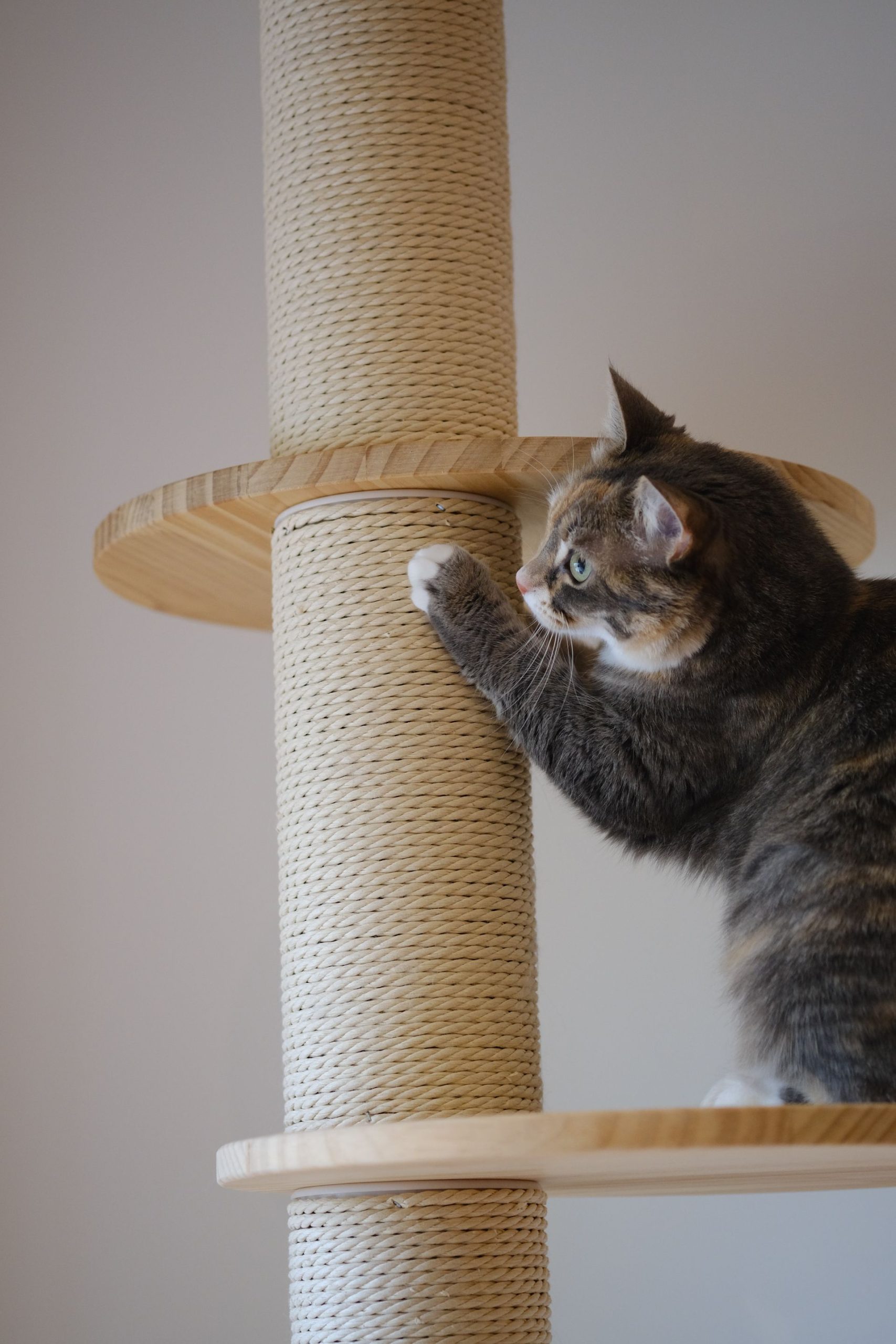
Some cats love stretching upward against the side of a couch or a doorframe. These cats may prefer a tall, vertical scratching post that lets them extend their bodies comfortably.
Others prefer scratching along the floor, especially on rugs or carpets. A horizontal scratching pad might be a better fit for them.
You may even notice your cat enjoys both styles!
Watching where and how your cat scratches can give you valuable clues about what type of scratching surface they’re most likely to use.
Choose a Post That’s Tall and Sturdy Enough
One of the biggest things to consider when choosing a vertical scratching post is its height.
Cats often enjoy a full-body stretch while scratching, so look for a post that’s tall enough for your cat to reach upward comfortably while standing on their hind legs.
Stability matters just as much as height. A scratching post that tips, wobbles, or slides across the floor can make your cat hesitant to use it.
Look for a wide, sturdy base and a design that stays securely in place during enthusiastic scratching sessions.
If you have a larger cat, choosing a taller, heavier post may make it easier for them to stretch and scratch without knocking it over.
Find a Scratching Material Your Cat Loves
Scratching posts come in several different materials, and cats can be surprisingly particular about which textures they prefer.
Sisal rope and sisal fabric are popular choices because their rough surfaces give cats something satisfying to dig their claws into. Cardboard scratchers are another great option, especially for cats that enjoy scratching horizontally.
Some cats prefer carpet-covered surfaces, while others enjoy natural wood.
If your cat ignores one type of scratcher, it doesn’t necessarily mean they aren’t interested in scratching posts. They might simply prefer a different texture.
Start by noticing which surfaces your cat already gravitates toward, and use those preferences to guide your choice.
Place the Scratching Post Where Your Cat Will Use It
Even the perfect scratching post might go untouched if it’s tucked away somewhere your cat rarely visits.
Cats often like to scratch after waking up, so placing a scratching post near a favourite sleeping spot can be a good starting point.
You can also try positioning one near furniture your cat already scratches. This gives them an appropriate alternative in a familiar location.
If your cat spends time in several rooms, consider offering more than one scratching surface throughout your home.
The goal is to make scratching posts easy to find and convenient to use, rather than expecting your cat to seek one out in an unfamiliar corner.
Help Your Cat Discover Their New Scratching Post
Bringing home a new scratching post doesn’t always mean your cat will immediately know what to do with it.
If your cat seems uninterested, try making the scratching post part of a positive experience.
You can encourage curiosity by playing with a wand toy near the post or placing a favourite toy beside it. Some cats may also respond to a little catnip sprinkled on the scratching surface.
When your cat chooses to scratch the post, offer gentle praise or a reward they enjoy.
Avoid grabbing your cat’s paws and forcing them against the post. This can make the experience uncomfortable and may discourage them from using it.
Give your cat time to explore at their own pace. A little patience can go a long way!
Know When It’s Time to Replace a Scratching Post
A well-loved scratching post will naturally show signs of wear over time, and that’s not necessarily a bad thing!
Frayed sisal and scratched-up cardboard often mean your cat is using the surface exactly as intended.
However, it’s worth checking scratching posts regularly for loose parts, exposed staples, sharp edges, or damaged sections that could cause an injury.
If the post becomes unstable or the scratching surface is falling apart, it may be time for a replacement.
Some scratching posts have replaceable scratching pads or sections, allowing you to refresh the surface without replacing the entire structure.
Keeping your cat’s scratching areas safe and in good condition helps make them a comfortable part of their everyday routine.
The Best Scratching Post Is One Your Cat Loves
Choosing the right scratching post doesn’t have to be complicated. It’s all about understanding your cat’s preferences and giving them a comfortable place to express their natural behaviours.
Whether your cat prefers a tall sisal post, a simple cardboard scratcher, or a combination of both, the best option is one they feel happy and confident using.
With the right size, texture, and placement, a scratching post can become a favourite part of your cat’s daily routine while helping protect your furniture, too!