How to Help Your Cat Feel Comfortable With a Carrier
For many cats, the sight of a carrier is enough to send them running under the bed. And if your cat only sees their carrier when it’s time for a vet visit, it’s easy to understand why!
But a cat carrier doesn’t have to be something your feline friend fears.
With a little patience and a few simple changes at home, you can help your cat see their carrier as a familiar, comfortable space rather than something to avoid.
Whether you’re preparing for an upcoming appointment or simply want to make future trips less stressful, here are some gentle ways to help your indoor cat feel more comfortable with their carrier.
Make the Carrier Part of Everyday Life
One of the easiest ways to help your cat feel comfortable with their carrier is to stop bringing it out only when it’s time to leave the house.
Instead, try leaving the carrier somewhere your cat already enjoys spending time, such as a quiet corner of the living room or near their favourite resting spot.
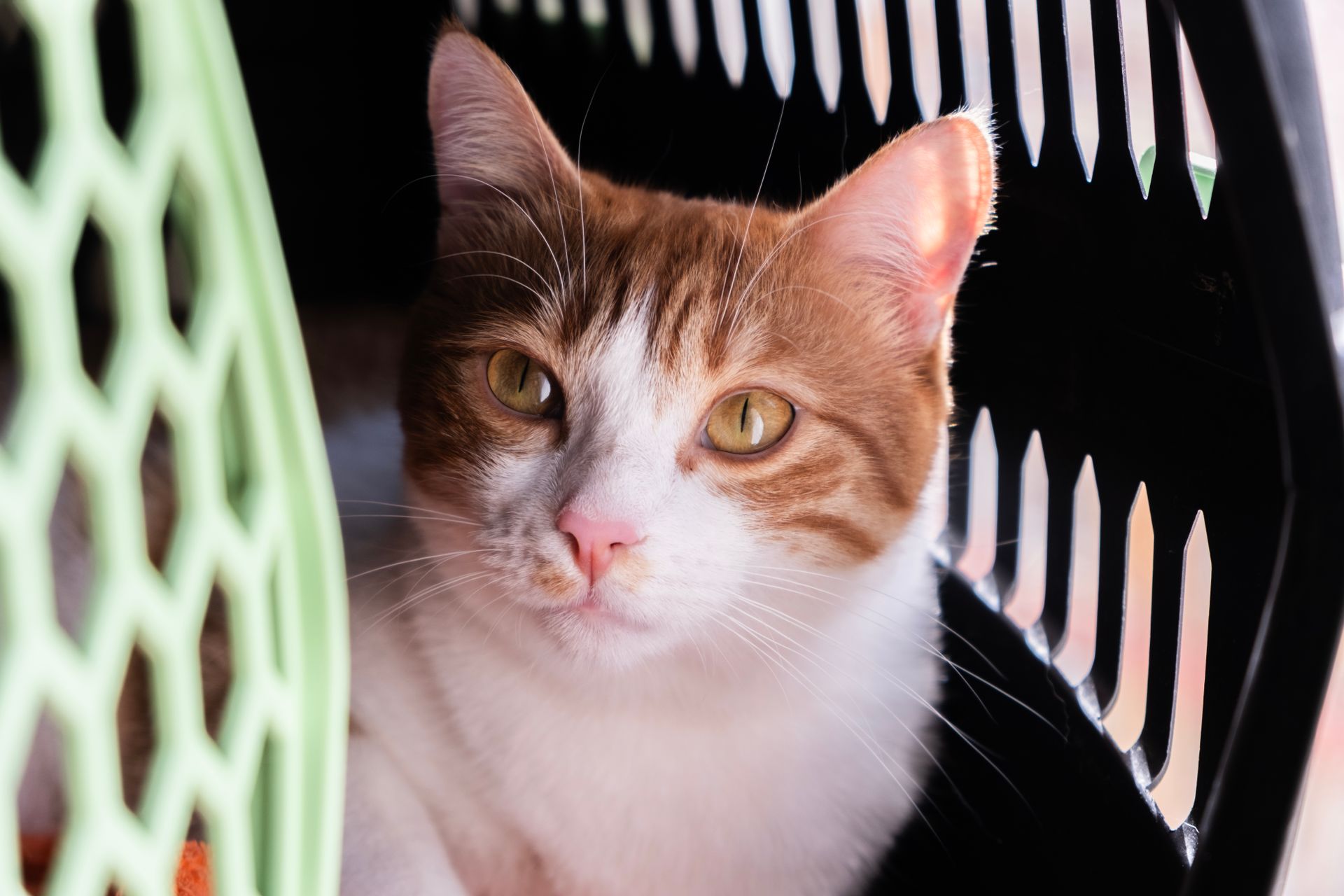
Keep the carrier door open and allow your cat to explore it whenever they feel curious. You can even place a familiar blanket or soft towel inside to make it feel a little more inviting.
Over time, your cat may begin to see the carrier as another cozy hiding spot rather than something that only appears before a stressful trip.
Let Your Cat Explore at Their Own Pace
Every cat has their own personality, and some will be more curious about their carrier than others.
If your cat seems hesitant, avoid picking them up and placing them inside just to get them used to it. Forcing the experience can make the carrier feel even more intimidating.
Instead, let your cat investigate on their own terms. They might start by sniffing the outside, stepping closer, or simply sitting nearby.
Celebrate those small moments of curiosity without rushing the process. Building comfort gradually helps your cat feel more confident and in control.
Remember, the goal isn’t to get your cat inside the carrier as quickly as possible. It’s to help them feel safe enough to choose to explore it themselves.
Use Positive Reinforcement to Build Trust
Helping your cat build a positive association with their carrier can make a big difference in how they respond to it.
Try placing a favourite toy, a little catnip (if your cat enjoys it), or a few pieces of their regular food near the carrier.
Once your cat seems comfortable approaching it, you can gradually move these items closer to the entrance and eventually inside.
If your cat willingly steps into the carrier, offer gentle praise or another reward they enjoy.
Keep these experiences short and relaxed. There’s no need to rush or expect progress every day.
The more your cat associates the carrier with familiar, enjoyable experiences, the less intimidating it may begin to feel.
Practice Closing the Door Gradually
Once your cat is comfortable entering their carrier voluntarily, you can begin introducing the idea of having the door closed.
Start by gently moving the door while your cat is nearby, allowing them to become familiar with the movement and sound.
When they’re relaxed inside, try closing the door briefly before opening it again. Reward calm behaviour and keep the experience positive.
Gradually increase the amount of time the door stays closed, but only if your cat continues to appear comfortable.
If your cat becomes frightened or distressed, open the door when it’s safe and return to an easier step during your next practice session.
The goal is to build confidence slowly, so being inside a closed carrier doesn’t feel like a sudden, unfamiliar experience.
Practice Short Trips Before the Big Day
Once your cat feels comfortable spending time inside their carrier, you can slowly introduce the experience of being moved around in it.
Start small by gently lifting the carrier for a few seconds before placing it back down. Make sure the carrier is securely closed and supported from underneath.
As your cat becomes more comfortable, try carrying them around the house for a short period.
Eventually, you can practice a brief walk outside or a short car ride, provided your cat is relaxed enough for the next step.
Always secure the carrier properly in the vehicle, and never allow your cat to roam freely while you’re driving.
These little practice sessions can help your cat become familiar with the movement, sounds, and sensations of travelling before an actual appointment.
If your cat becomes noticeably distressed, return to shorter, easier sessions rather than pushing through.
Make Travel Day as Calm as Possible
Even with plenty of practice, some cats may still feel nervous when it’s time to leave home.
Before your appointment, prepare the carrier with a familiar blanket or towel that smells like home. Double-check that the door closes securely and that your cat has enough room to turn around comfortably.
Try to keep your movements gentle and your surroundings quiet as you get ready to leave.
During the trip, keep the carrier stable and avoid loud music or unnecessary commotion.
Some cats may feel more secure with a lightweight, breathable towel draped over part of the carrier, as long as airflow remains unrestricted.
If your cat experiences severe anxiety, repeated vomiting, or significant distress during travel, speak with your veterinarian about ways to make future trips more comfortable.
A little preparation can help make travel day feel more manageable for both you and your feline companion.
A Little Patience Goes a Long Way
Helping your cat feel comfortable with their carrier doesn’t happen overnight, and that’s perfectly okay.
Some cats may happily curl up inside after just a few days, while others need weeks of gentle encouragement before they begin to feel confident.
The important thing is to make the experience as positive and predictable as possible. By keeping the carrier accessible, allowing your cat to explore at their own pace, and practising in small steps, you’re helping build a sense of familiarity and trust.
And while your cat may never consider their carrier their favourite place to nap, even a little extra comfort can make future vet visits and necessary trips less stressful.
Sometimes, the smallest changes at home can make the biggest difference in your cat’s everyday life.