Why Does My Cat Follow Me Everywhere?
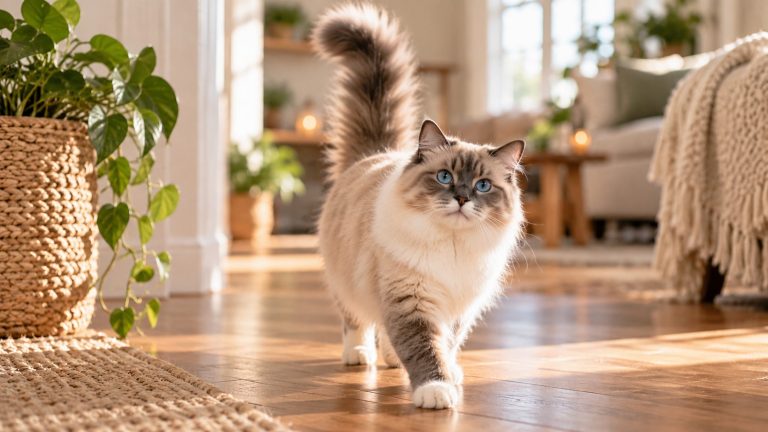
You get up to make a coffee. Your cat follows.
You walk into the bedroom. There they are.
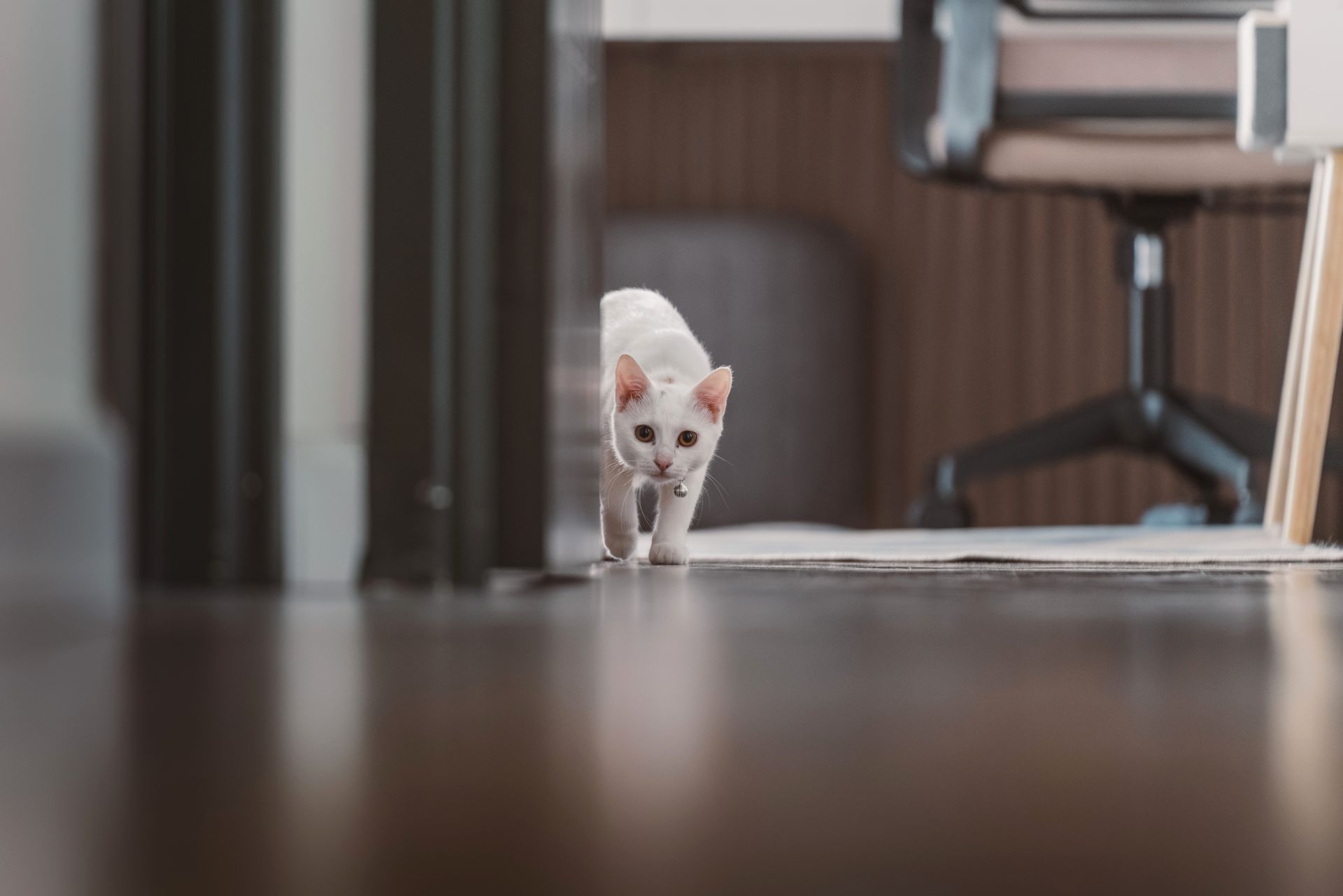
You head to the bathroom, close the door, and suddenly there’s a tiny paw reaching underneath it.
Apparently, privacy is no longer included in your household.
If your cat follows you from room to room, you might have wondered what’s going on inside that little furry head. Are they being affectionate? Curious? Hungry? Or have you somehow become their favourite form of entertainment?
The truth is, cats follow their humans for several different reasons, and the explanation often depends on the individual cat and what’s happening around them.
Let’s look at what this behaviour can mean, how to understand the clues your cat is giving you, and when following you everywhere might be worth a closer look.
1. They Feel Safe and Comfortable Around You
Despite their reputation for being independent, many cats form strong bonds with the people they live with.
If your cat regularly follows you from room to room, it might simply be because they enjoy being near you.
Think about where they settle once you’ve stopped moving. Do they curl up beside you on the couch? Stretch out nearby while you work? Quietly keep you company without demanding attention?
Those little moments can be signs that your cat feels comfortable in your presence.
Some cats show affection through cuddles and head bumps. Others prefer to sit a few feet away, keeping an eye on things while maintaining a respectable amount of personal space.
Following you doesn’t automatically mean your cat is anxious or overly dependent. Sometimes, you’re simply someone they trust.
And apparently, that means you’re now required to have a furry supervisor for every household activity.
2. They’re Curious About What You’re Doing
Cats are naturally curious animals, and your daily activities can be surprisingly interesting to them.
Opening a cupboard, carrying a laundry basket, or walking into a room they haven’t explored recently might be enough to catch their attention.
Your cat may follow you simply because they want to know what’s happening.
Watch what they do when you reach your destination. Do they sniff the objects you’re handling? Investigate the room? Wander off once they’ve satisfied their curiosity?
If so, they might be more interested in the activity than in getting your attention.
This is especially common when something changes in their environment, like a new delivery arriving or furniture being moved around.
To you, it’s just another ordinary Tuesday.
To your cat, it’s breaking news.
3. They’ve Learned Your Daily Routine
Cats can be surprisingly good at recognizing patterns in their daily lives.
If you feed your cat around the same time every morning, they may start following you toward the kitchen before you’ve even reached for their food bowl.
Maybe they appear whenever you open a particular cupboard. Or perhaps they’ve learned that when you sit down in your favourite chair, there’s a good chance they’ll get some attention.
Over time, cats can associate certain sounds, movements, and activities with things they enjoy.
Pay attention to when your cat starts following you. Does it happen around mealtimes? When you’re getting ready for bed? Whenever you walk toward the room where their favourite toys are kept?
Those patterns can tell you a lot about what they’re expecting.
Of course, recognizing your routine doesn’t necessarily mean your cat knows what time it is.
But somehow, they always seem to know when dinner is five minutes late.
4. They’re Trying to Get Your Attention
Sometimes your cat isn’t following you just to keep you company.
They want something.
Maybe it’s a little affection, a play session, or your assistance with a very important matter involving an empty food bowl.
Cats can learn which behaviours get a response from their humans. If following you and meowing usually leads to attention, they may try it again the next time they want something.
The clues are often in what happens next.
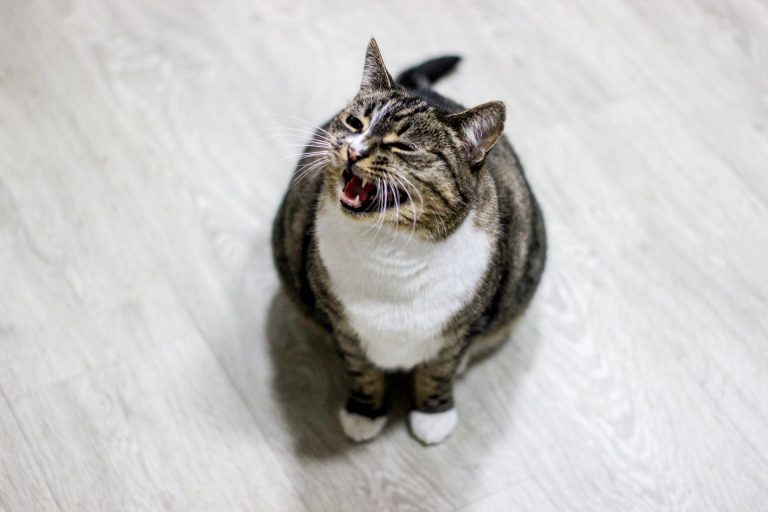
Does your cat rub against your legs when you stop walking? Lead you toward a particular room? Look up at you and meow until you respond?
Rather than assuming every request means hunger, take a moment to check what they might need. Their water could need refreshing, their litter box might need attention, or they may simply want a little interaction.
It’s also worth remembering that not every meow requires an immediate response. Cats can learn routines and boundaries, too.
The trick is understanding the difference between a genuine need and a cat who has discovered that you’re remarkably easy to train.
5. Some Cats Are Just Naturally More Social
Just like people, cats have their own personalities.
Some are perfectly content spending the afternoon alone in a quiet room. Others seem determined to participate in absolutely everything their humans do.
Your cat’s personality, past experiences, and comfort level around people can all influence how much time they want to spend near you.
A cat who has always been especially social might follow you throughout the house simply because that’s how they prefer to spend their day.
Meanwhile, another cat in the same household might only appear when they’re ready for affection, then disappear for their regularly scheduled nap.
Neither personality is better than the other.
It’s also worth remembering that being affectionate doesn’t always look the same. A cat who follows you without wanting to be picked up may still enjoy your company. They just prefer to keep all four paws on the ground.
Instead of comparing your cat to others, pay attention to what’s normal for them.
After all, every household needs a different mix of personalities.
Including the cat who believes they’re the household manager.
6. A Sudden Change Could Mean Something Else
If your cat has always followed you around, it’s often just part of their normal behaviour.
But what if they suddenly start doing it much more than usual?
A noticeable change in how your cat behaves can sometimes be connected to stress, changes in their environment, or an underlying health concern.
For example, a cat who becomes unusually clingy after a move or a change in household routine may be looking for reassurance.
But if the behaviour appears suddenly without an obvious explanation, it’s important not to assume they’re simply being extra affectionate.
Pay attention to other changes, too. Are they eating and drinking normally? Using their litter box as usual? Sleeping differently, hiding more often, or vocalizing more than they typically would?
These details can help you recognize when something deserves closer attention.
If your cat’s behaviour changes suddenly, persists, or comes with other unusual symptoms, contact your veterinarian for advice. Seek prompt veterinary care if they seem seriously unwell, are having trouble breathing, or are repeatedly straining to urinate.
Most importantly, remember that you know your cat’s usual habits better than anyone.
Sometimes the smallest changes are worth noticing.
7. What Should You Do If Your Cat Follows You Everywhere?
First things first. If your cat has always been your little shadow and seems happy, healthy, and comfortable, you probably don’t need to change anything.
Following you isn’t automatically a problem.
But if you’re wondering whether your cat needs something, start by looking at the bigger picture.
Notice when it happens. Does your cat follow you all day, or mainly around certain activities? Understanding the pattern can help you figure out what they’re expecting.
Watch their body language. A relaxed cat with a comfortably held tail and an easygoing posture may simply be enjoying your company. A cat who seems tense, restless, or unusually vocal might need closer attention.
Respect their preferences. If your cat likes being nearby but doesn’t enjoy being picked up, let them choose how close they want to be.
Keep their routine predictable. Regular meals, comfortable resting places, and familiar daily activities can help create a reassuring environment.
And if your cat becomes distressed whenever you’re out of sight, repeatedly vocalizes when left alone, or shows other concerning changes, speak with your veterinarian. They can help rule out health concerns and advise whether behavioural support is needed.
You don’t have to discourage a cat from following you simply because they’re affectionate.
Sometimes, sharing your space is exactly what makes them happy.
Your Little Shadow Has Their Reasons
So, why does your cat follow you everywhere?
Maybe they feel safe around you. Maybe they’re curious about what you’re doing. Or maybe they’ve figured out that following you into the kitchen occasionally results in something wonderful.
There’s no single explanation that fits every cat.
What matters most is understanding their individual habits, paying attention to changes, and giving them the freedom to interact with you in ways they enjoy.
And the next time you turn around to find your cat standing directly behind you?
Well, at least you know there might be a perfectly reasonable explanation.
Even if you’re still not allowed to use the bathroom alone.